Home
Latest
Basic Health
Covid-19
Evidence-Based Medicine
Home
Basic Health
Covid-19
Evidence-Based Medicine
About
Contact
Privacy Policy
Terms & Conditions
Latest
Evidence-Based Medicine
Part 1: What is Evidence-Based Medicine?
Evidence-based medicine (EBM) is a fundamental cornerstone of modern healthcare which prioritises the use of the best available scientific evidence to provide patients with safe, effective and high-quality care.
by
Evidence-Based Medicine
Part 3: How has Evidence-Based Medicine Impacted Modern Healthcare
A look at how evidence-based medicine has evolved over time with established medical practices changing due to new evidence.
by
Basic Health
How Do You Measure Oxygen (O₂) Saturation?
Oxygen saturation can be measured with a pulse oximeter and represents the amount of oxygen carried by our red blood cells. Normal oxygen saturations range from 95% to 100%.
by
Basic Health
How Do You Monitor Blood Pressure?
Keep blood pressure controlled to reduce the risk of more severe adverse events in future (e.g. heart attack or a stroke). Aim for a blood pressure of 135/85 and under
by
Covid-19
The Science Behind Face Masks
A look at surgical masks vs. respirators and home-made masks. Surgical masks are more useful to protect others from your secretions, otherwise known as 'source control'. Respirators are more widely used in medical/industrial settings, where exposure to airborne particles would be a problem.
by
Basic Health
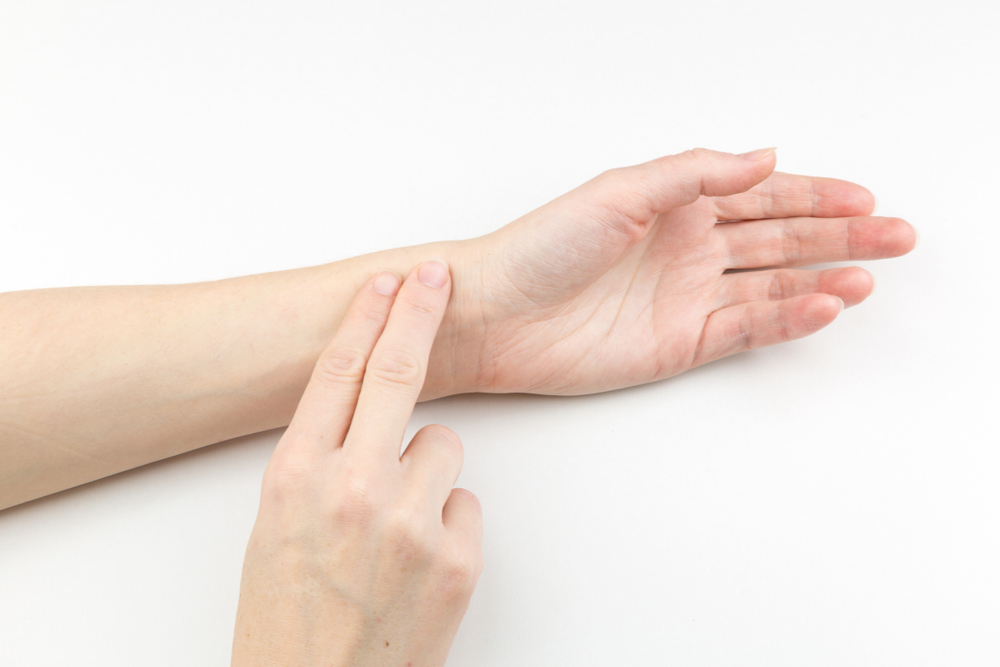
How Do You Measure Pulse Rate?
Pulse is the rhythmic expansion and contraction of the arteries as blood is pumped by the heart and which can be felt at certain positions of the body. A normal resting pulse rate for adults typically falls between 60 and 100 beats per minute (BPM) at rest.
by
Evidence-Based Medicine
Part 2: Why is Evidence-Based Medicine Important?
Evidence-based medicine guides doctors in making informed decisions based on the most robust scientific evidence. This approach replaces outdated practices and biases with the power of evidence, ensuring continuous improvement and standardization of care.
by
Basic Health
How Do You Measure Body Temperature?
Body temperature is one of the core 'observations' or 'vital signs' that reflects the balance between heat production and heat loss within the body. A body temperature of 38°C (100.4°F) or higher indicates a fever.
by
Subscribe to the newsletter
Get a weekly digest of our most important stories direct to your inbox.
Thank you! Your submission has been received!
Oops! Something went wrong while submitting the form.
Place some disclaimer text here about how you intend to use the subscriber’s email, Privacy Policy and all that.